
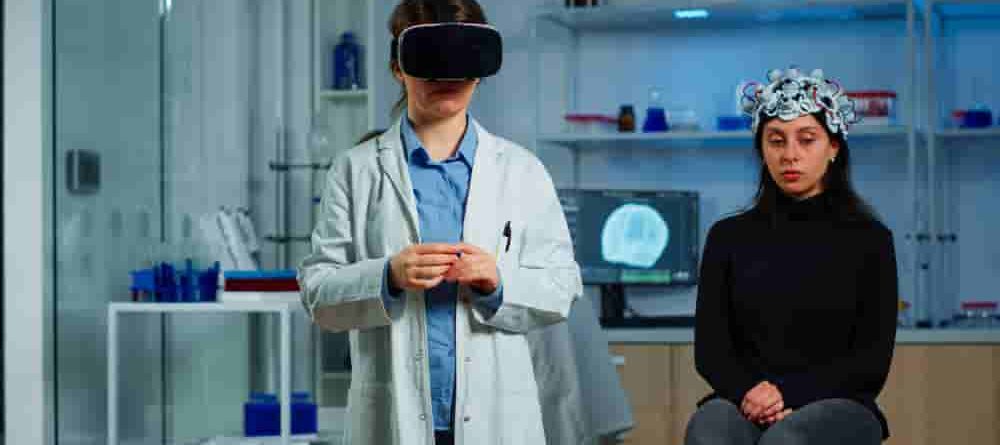
How Machine Learning Is Changing Clinical Treatments
Introduction
Technology is rapidly transforming the healthcare industry, and one of the most powerful innovations is Machine Learning (ML). As a branch of Artificial Intelligence (AI), machine learning enables systems to learn from data, identify patterns, and make predictions with minimal human intervention.
In clinical environments, where timely and accurate decisions can save lives, machine learning is revolutionizing how treatments are planned, delivered, and monitored.
1. Improving Diagnosis Accuracy
One of the biggest impacts of machine learning in clinical treatments is enhanced diagnostic accuracy. ML algorithms can analyze vast amounts of patient data, including medical history, lab reports, and imaging scans, faster than traditional methods.
For example, in radiology, machine learning models can detect abnormalities in X-rays and MRIs with remarkable precision. This reduces human error and helps clinicians diagnose diseases such as cancer, heart conditions, and neurological disorders at earlier stages.
Early detection leads to earlier treatment, improving survival rates and patient outcomes.
2. Personalized Treatment Plans
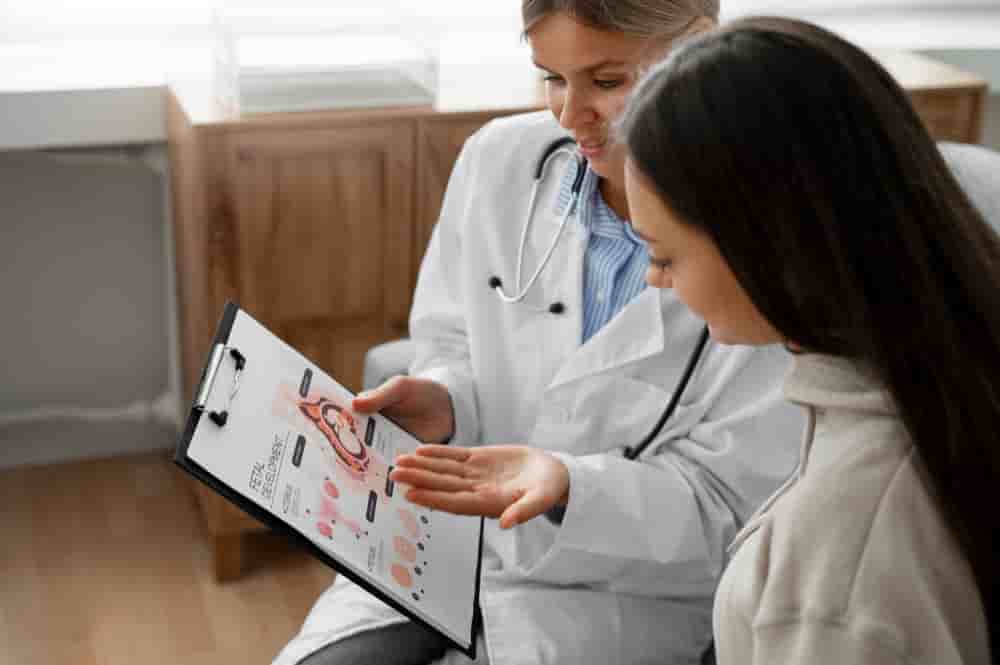
Every patient is different. Traditional treatment plans often follow standardized guidelines, but machine learning allows for personalized medicine.
By analyzing genetic information, lifestyle data, and previous treatment responses, ML systems can recommend customized therapies tailored to individual patients. This approach increases treatment effectiveness and reduces side effects.
For instance, in oncology, machine learning helps doctors choose the most effective chemotherapy drugs based on a patient’s unique tumor profile.
3. Predictive Analytics for Better Outcomes
Machine learning excels at predictive analysis. In clinical settings, ML models can predict:
- Risk of disease progression
- Likelihood of hospital readmission
- Possible treatment complications
- Patient recovery timelines
With these predictions, healthcare providers can take preventive actions before complications arise. This not only improves patient safety but also reduces hospital costs.
4. Enhancing Clinical Decision Support Systems
Modern hospitals use Clinical Decision Support Systems (CDSS) integrated with machine learning. These systems assist doctors by providing data driven recommendations during diagnosis and treatment planning.
Machine learning analyzes millions of past cases to suggest the most effective treatment options. While doctors make the final decision, ML acts as a powerful assistant, increasing confidence and accuracy.
5. Accelerating Drug Development
Machine learning is also transforming how new drugs are developed. Traditionally, drug discovery can take years and cost billions of dollars.
ML models analyze biological data to identify potential drug compounds faster. They can also predict how patients will respond to new medications during clinical trials. This speeds up research and brings life-saving treatments to market more quickly.
6. Remote Monitoring and Real-Time Treatment Adjustments
With wearable devices and smart monitoring tools, machine learning can track patients in real time. For patients with chronic diseases like diabetes or heart conditions, ML systems analyze daily health data and alert clinicians if intervention is needed.
This proactive approach ensures timely treatment adjustments and reduces emergency hospital visits.
7. Reducing Healthcare Costs
By improving diagnosis, preventing complications, and optimizing treatments, machine learning helps reduce unnecessary tests and hospital stays. Hospitals can allocate resources more efficiently, benefiting both providers and patients.
Cost-effective care without compromising quality is one of the biggest advantages of ML driven clinical treatments.
Challenges to Consider
Despite its benefits, machine learning in clinical treatments comes with challenges:
- Data privacy and security concerns
- Need for high-quality and unbiased datasets
- Integration with existing healthcare systems
- Regulatory and ethical considerations
Addressing these challenges is essential for safe and responsible implementation.
The Future of Machine Learning in Clinical Care
The future of clinical treatments will be deeply connected to machine learning. As algorithms become more advanced and datasets grow larger, ML will continue to improve precision medicine, automate complex tasks, and support healthcare professionals.
Rather than replacing doctors, machine learning enhances their capabilities, allowing them to focus more on patient care while technology handles data analysis.
Conclusion
Machine learning is fundamentally changing clinical treatments by improving accuracy, enabling personalized medicine, predicting outcomes, and optimizing healthcare operations.
As healthcare organizations continue to adopt intelligent systems, patients can expect safer, faster, and more effective treatment experiences. The transformation has already begun and the future of clinical care is smarter than ever.











Comments (2)
The oncology example perfectly illustrates the benefits of personalized treatment plans. Tailored therapies are redefining patient-centered care.
Insightful article! A valuable read for anyone interested in the intersection of healthcare and AI.